Ayush Extracts
Shatavari Extract (Asparagus racemosa) | 8:1 | Women’s Health Support
Shatavari Extract (Asparagus racemosa) | 8:1 | Women’s Health Support
Custom pricing available upon request
Product Overview
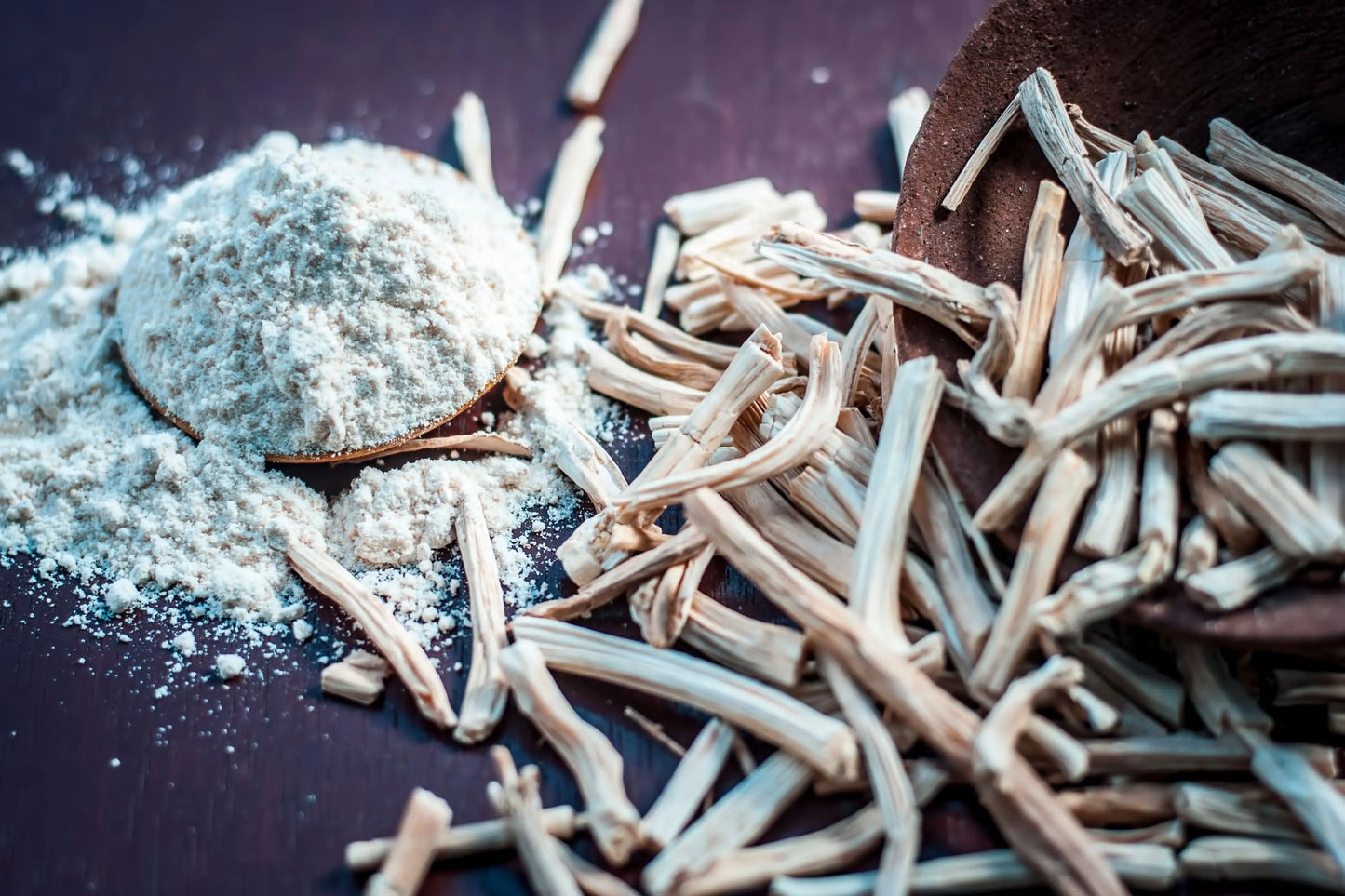
Shatavari Extract, derived from the root of Asparagus racemosa (commonly known as Sitawari), is a highly regarded botanical ingredient widely used in Ayurvedic and modern nutraceutical formulations. This 8:1 concentrated extract delivers enhanced potency while preserving the natural phytochemical profile of the root.
Traditionally recognized as a potent adaptogen, Shatavari is commonly incorporated into formulations designed to support women’s reproductive health, hormonal balance, fertility, and digestive comfort.
Key Benefits
- Potent Adaptogenic Support for Stress Balance
- Supports Healthy Female Reproductive Function
- Aids Fertility and Hormonal Balance
- Promotes Comfortable Digestion and Gut Health
Why Choose Our Shatavari Extract
- Concentrated 8:1 extract for formulation efficiency
- Sourced from high-quality Shatavari root (Asparagus racemosa)
- Ideal for women’s health, adaptogenic, and digestive formulations
- Maintains a balanced phytochemical profile for consistent performance
- Suitable for nutraceutical, herbal, and functional product development
Applications
- Women’s health and reproductive wellness formulations
- Adaptogen and stress-support blends
- Fertility and hormonal balance products
- Digestive health and comfort formulations
- Ayurvedic and traditional herbal formulations
Technical Specifications
- Product Name: Shatavari Extract (Sitawari)
- Latin Name: Asparagus racemosa
- Part Used: Root
- Extract Ratio: 8:1
FAQ
What is Shatavari Extract used for?
Shatavari Extract is commonly used in herbal formulations to support women’s reproductive health, fertility, and overall wellness.
What does a 8:1 extract mean?
An 8:1 extract means 8 parts of raw root are used to produce 1 part of extract, resulting in a concentrated botanical ingredient.
Is Shatavari suitable for women’s health formulations?
Yes, it has a long history of use in traditional systems for supporting female reproductive wellness.
Share