Ayush Extracts
Green Tea Extract (Camellia sinensis) | 40% & 75% Catechins | Antioxidant
Green Tea Extract (Camellia sinensis) | 40% & 75% Catechins | Antioxidant
Custom pricing available upon request
Product Overview
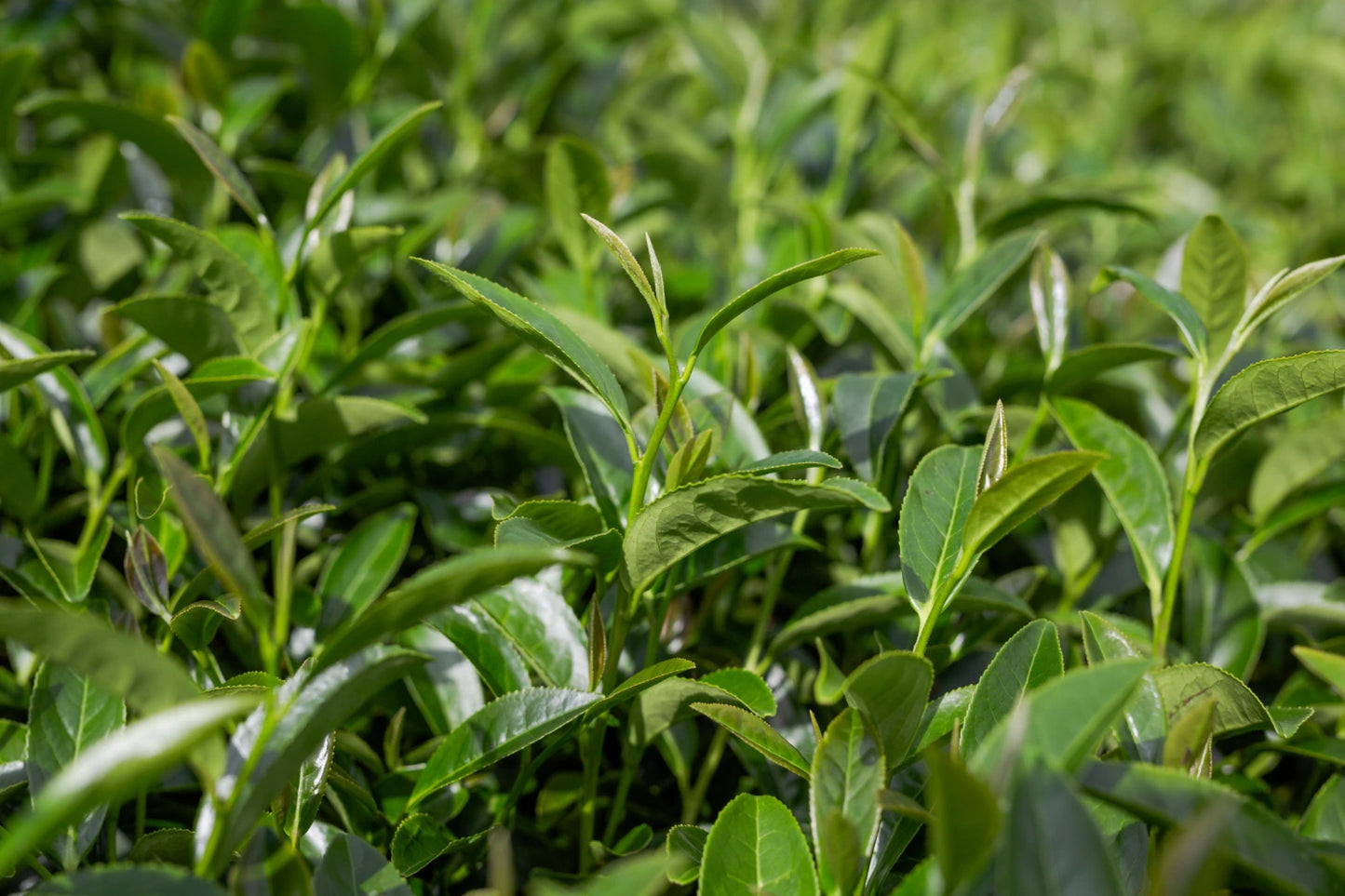
Green Tea Extract, derived from the leaf of Camellia sinensis, is a globally recognized botanical ingredient widely used in nutraceutical, functional, and herbal formulations. Available in standardized concentrations of 40% and 75% catechins, this extract offers flexibility for diverse formulation needs while ensuring consistent potency.
Rich in polyphenols, particularly catechins such as EGCG, Green Tea Extract is known for its antioxidant capacity and is commonly incorporated into formulations targeting metabolic health, cardiovascular wellness, cognitive function, and skin support.
Key Benefits
- Powerful Antioxidant Support
- Promotes Cardiovascular Health
- Supports Cognitive Function and Mental Clarity
- Aids Healthy Metabolism and Energy Balance
- Supports Skin Health and Protection
Why Choose Our Green Tea Extract
- Available in 40% & 75% Catechins for formulation versatility
- Sourced from high-quality Camellia sinensis leaves
- Ideal for antioxidant, metabolic, and wellness formulations
- Maintains a high polyphenol profile for optimal performance
- Suitable for nutraceutical, herbal, and functional product development
Applications
- Antioxidant and wellness formulations
- Metabolic and weight management products
- Cardiovascular support supplements
- Cognitive and energy blends
- Skin and beauty-from-within formulations
Technical Specifications
- Product Name: Green Tea Extract
- Latin Name: Camellia sinensis
- Part Used: Leaf
- Standardization: 40% Catechins; 75% Catechins
FAQ
What is Green Tea Extract used for?
Green Tea Extract is commonly used in formulations to support antioxidant activity, metabolism, cardiovascular health, and overall wellness.
What are catechins in Green Tea?
Catechins are powerful antioxidant polyphenols found in Camellia sinensis, associated with its health-supportive properties.
What is the difference between 40% and 75% catechins?
The difference lies in the concentration of active compounds, allowing formulators to choose the appropriate potency for their product.
Share